Your 10 Empowering Breakfast Recipes
1. Sunrise Berry Oat Parfait
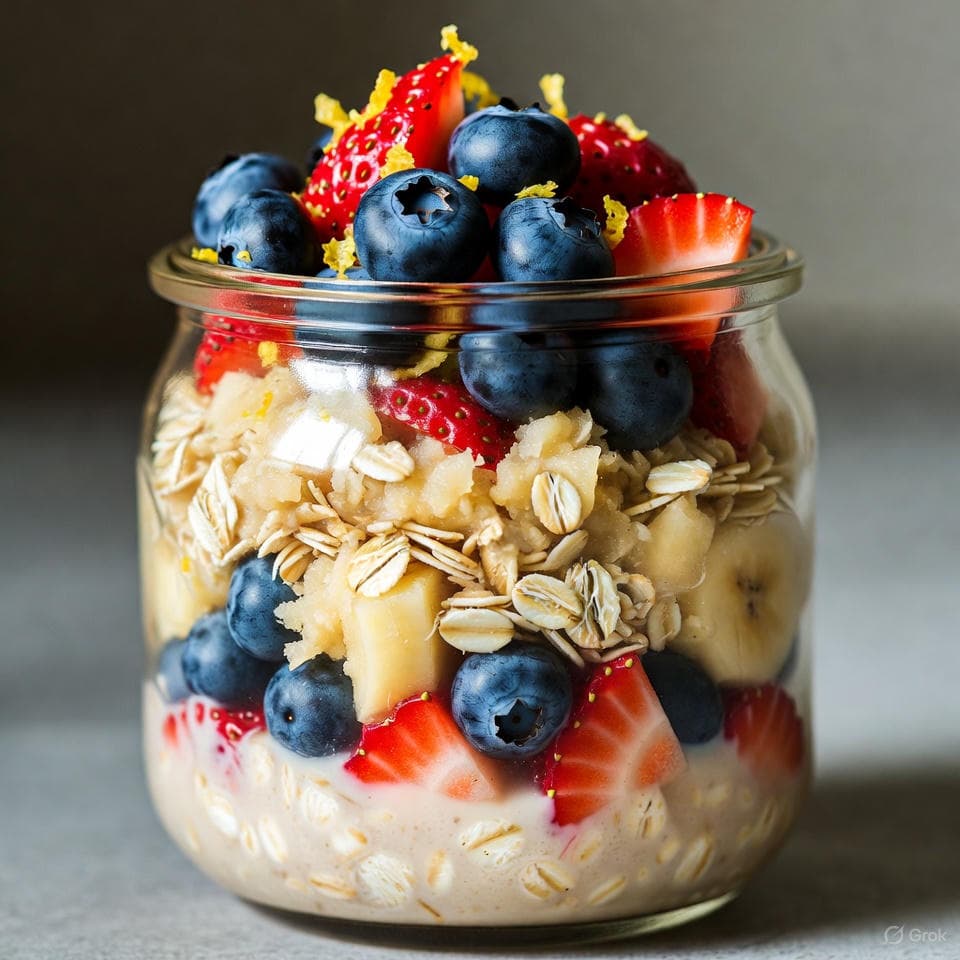
Ingredients (Serves 1; ~320 cal)
- ½ cup rolled oats
- 1 cup unsweetened almond milk
- ½ cup mixed berries (blueberries, strawberries)
- 1 small banana, sliced
- 1 tsp fresh lemon zest
Preparation (Prep/Cook: 10 min)
- Stir oats into heated almond milk; simmer 5 min until creamy.
- Layer with mashed banana, berries, and lemon zest; enjoy warm or chilled.
Nutrition Snapshot: 12g protein, <1g fat, 55g carbs, 9g fiber.
Why It Helps
This dawn-kissed bowl layers berry ellagic acid for DNA repair, banana's potassium for gentle energy, oats' beta-glucan for gut armor, lemon's limonene for detox, and blueberries' resveratrol to tame inflammation: simple rebellion in every spoonful.
2. Emerald Spinach Banana Smoothie
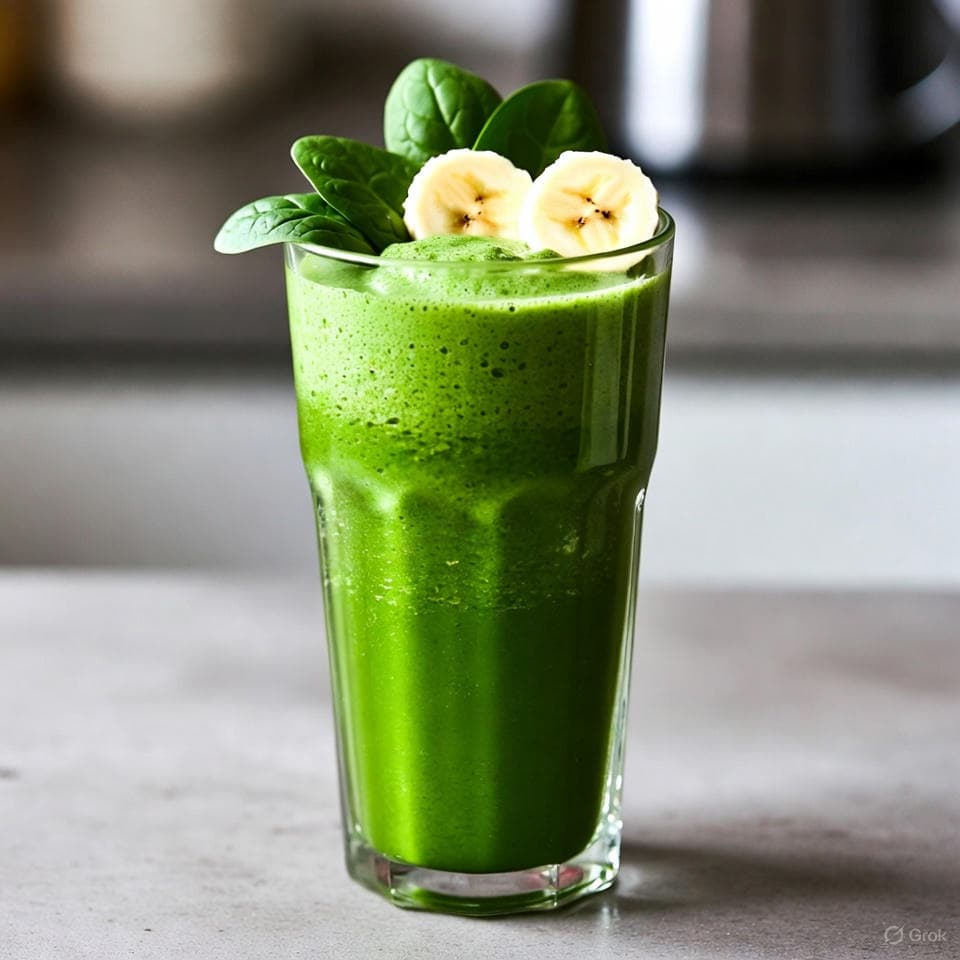
Ingredients (Serves 1; ~290 cal)
- 2 cups fresh spinach
- 1 frozen banana
- ½ cup strawberries
- 1 cup unsweetened almond milk
- ½ tsp grated ginger
Preparation (Prep: 5 min)
- Blend spinach, banana, strawberries, milk, and ginger until silky.
- Pour into a glass; sip slowly for a fatigue-fighting ritual.
Nutrition Snapshot: 8g protein, <1g fat, 50g carbs, 7g fiber.
Why It Helps
A verdant elixir where spinach's lutein shields eyes and cells, strawberries' pelargonidin curbs estrogen-driven risks, banana dopamine aids repair, ginger's gingerol eases nausea, and almond milk's vitamin E adds antioxidant silk, all blended into morning magic.
3. Tomato Garlic Quinoa Bowl
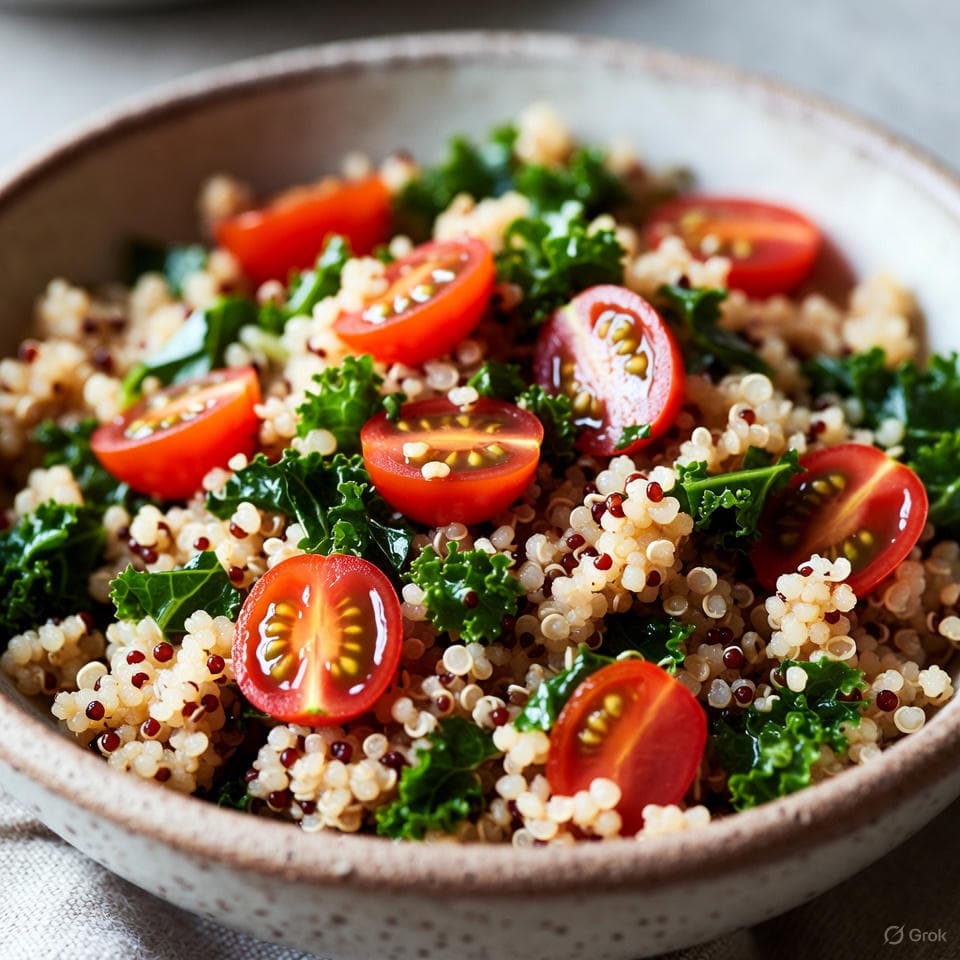
Ingredients (Serves 1; ~350 cal)
- ½ cup cooked quinoa
- 1 cup cherry tomatoes, halved
- 1 clove garlic, minced
- 1 cup kale, chopped
- 1 tsp apple cider vinegar
Preparation (Prep/Cook: 15 min)
- Simmer quinoa with garlic and vinegar for 2 min; add kale to wilt.
- Stir in tomatoes; let flavors bloom for a zesty wake-up.
Nutrition Snapshot: 15g protein, <1g fat, 60g carbs, 10g fiber.
Why It Helps
Quinoa's complete protein fuels repair, tomatoes' lycopene arms prostate defenses, garlic's allicin blocks angiogenesis, kale's sulforaphane detoxes, and vinegar's acetic acid stabilizes blood sugar: a bold, ruby-red shield against the day's battles.
4. Apple Cinnamon Oat Bake

Ingredients (Serves 1; ~310 cal)
- ½ cup rolled oats
- 1 small apple, diced
- ½ tsp cinnamon
- ¾ cup unsweetened almond milk
- ½ cup broccoli sprouts (for hidden boost)
Preparation (Prep/Cook: 20 min)
- Mix oats, apple, cinnamon, milk, and sprouts; bake at 350°F for 15 min.
- Let it crisp-tender; inhale the cozy aroma like a hug.
Nutrition Snapshot: 10g protein, <1g fat, 58g carbs, 8g fiber.
Why It Helps
Apples' quercetin halts breast cell chaos, cinnamon's polyphenols steady energy, oats bind toxins in the gut, broccoli sprouts' sulforaphane supercharges Nrf2 protection, and almond milk whispers hydration: autumn warmth turned warrior fuel.
5. Tofu Veggie Scramble with Turmeric
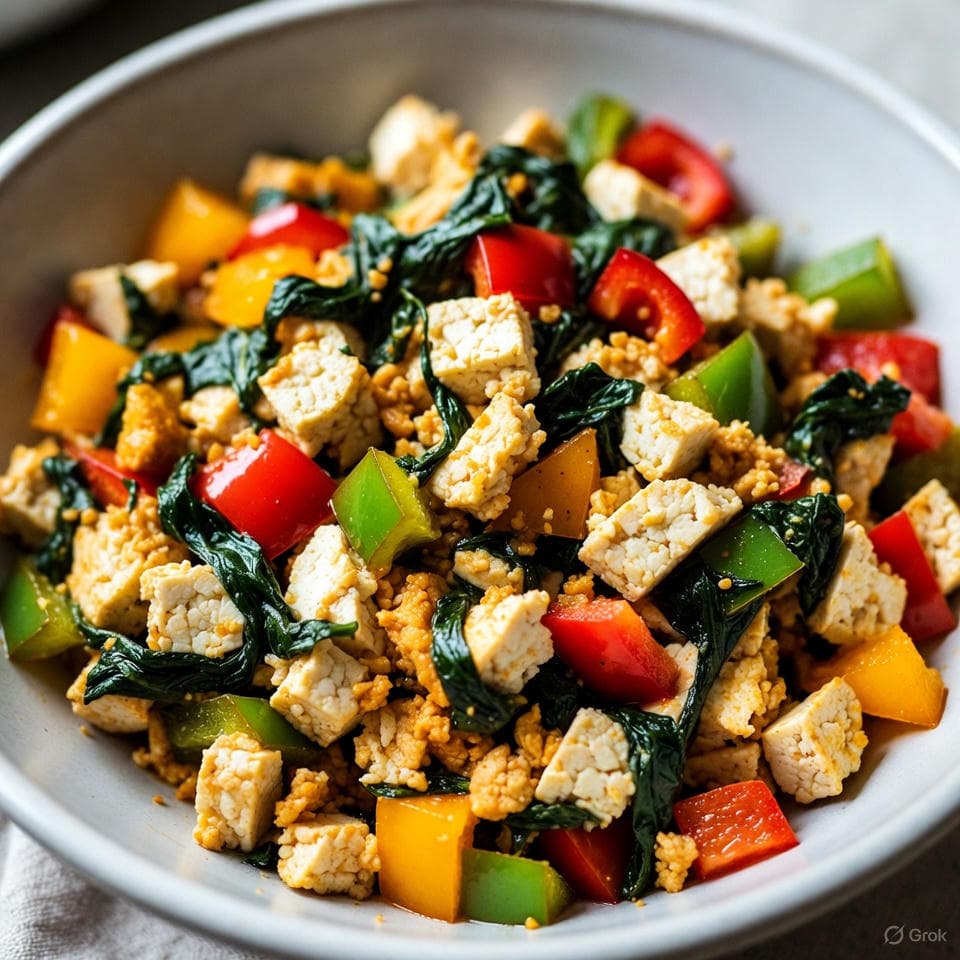
Ingredients (Serves 1; ~340 cal)
- 4 oz firm tofu, crumbled
- ½ cup bell peppers, diced
- ½ tsp turmeric
- 1 cup spinach
- 1 tsp lemon juice
Preparation (Prep/Cook: 10 min)
- Sauté peppers in a splash of water; add tofu, turmeric, and spinach to wilt.
- Squeeze lemon for brightness; scramble into sunny folds.
Nutrition Snapshot: 18g protein, 2g fat, 20g carbs, 6g fiber.
Why It Helps
Tofu's isoflavones balance hormones, bell peppers' quercetin targets lung risks, turmeric's curcumin quells inflammation, spinach's nitrates boost circulation, and lemon's hesperidin aids detox: a golden scramble that whispers 'rise and conquer.'
6. Sweet Potato Kale Hash
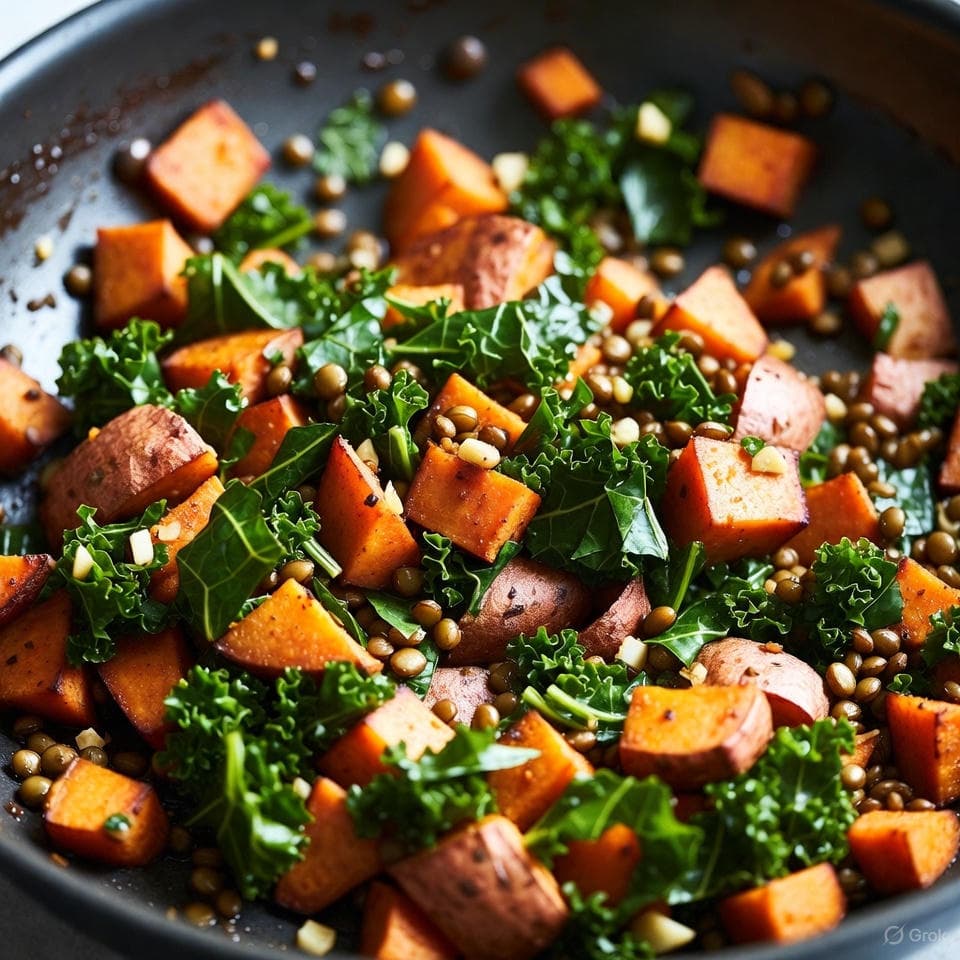
Ingredients (Serves 1; ~360 cal)
- 1 small sweet potato, diced
- 2 cups kale, chopped
- 1 clove garlic, minced
- ½ cup cooked lentils
- 1 tsp apple cider vinegar
Preparation (Prep/Cook: 20 min)
- Steam-dice sweet potato until tender; add garlic and kale to soften.
- Mix in lentils and vinegar; hash into hearty, crisp-edged bites.
Nutrition Snapshot: 16g protein, <1g fat, 65g carbs, 12g fiber.
Why It Helps
Sweet potato's beta-carotene guards prostate health, kale's kaempferol inhibits HDAC, garlic's allicin protects cells, lentils' polyphenols mend DNA, and vinegar enhances absorption, a earthy hash that grounds your fight with joy-sparking crunch.
7. Frozen Berry Nice Cream
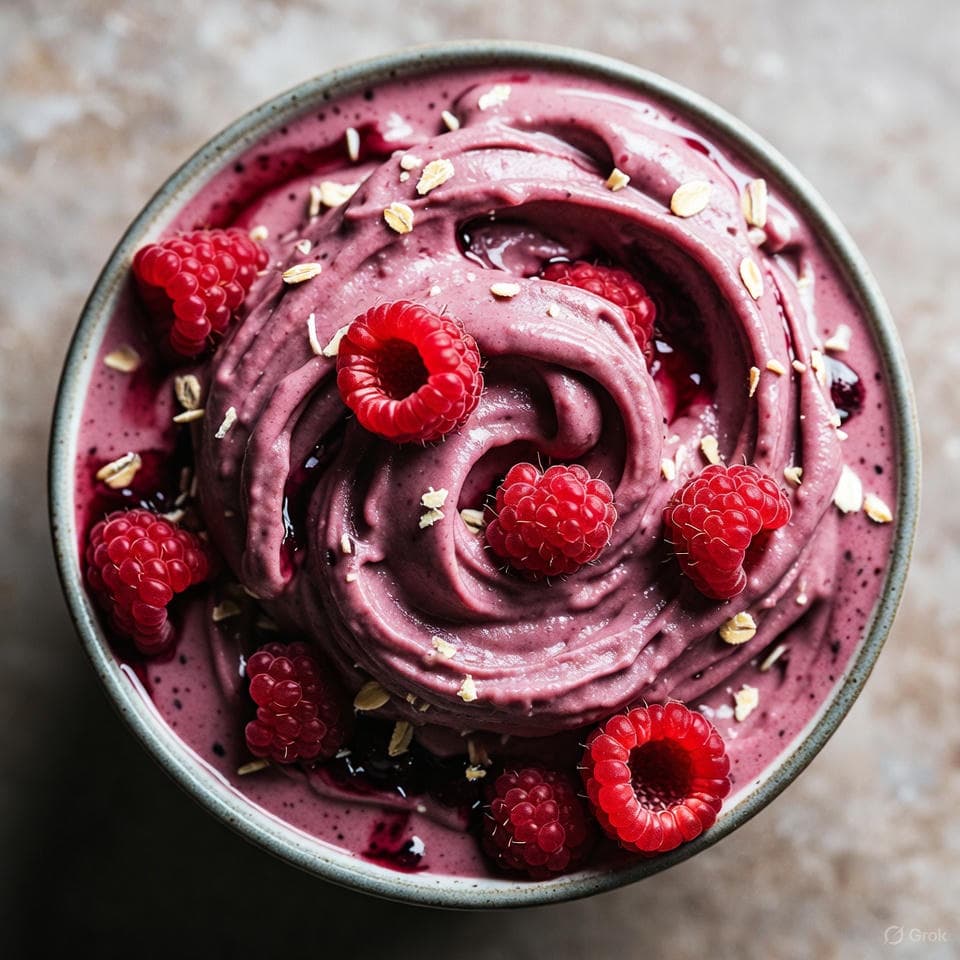
Ingredients (Serves 1; ~280 cal)
- 1 cup frozen mixed berries
- 1 frozen banana
- ½ cup raspberries
- ¼ cup cooked oats (for creaminess)
- ½ tsp lime zest
Preparation (Prep: 5 min)
- Blend frozen berries, banana, oats, and zest until soft-serve smooth.
- Swirl in fresh raspberries; indulge in cool, craveable waves.
Nutrition Snapshot: 6g protein, <1g fat, 60g carbs, 10g fiber.
Why It Helps
Berries' anthocyanins enhance chemo's punch, banana's dopamine sparks repair, raspberries' ellagitannins mend colon DNA, oats' fiber binds harms, and lime's limonene detoxes: a frosty treat that turns 'treat' into triumphant armor.
8. Pumpkin Spice Overnight Oats

Ingredients (Serves 1; ~300 cal)
- ½ cup rolled oats
- ½ cup pumpkin puree
- ¾ cup unsweetened almond milk
- ½ tsp pumpkin pie spice
- ½ cup chopped pears
Preparation (Prep: 5 min | Chill: Overnight)
- Combine oats, pumpkin, milk, spice; stir and top with pears.
- Chill overnight; wake to spiced, soothing silkiness.
Nutrition Snapshot: 9g protein, <1g fat, 55g carbs, 9g fiber.
Why It Helps
Pumpkin's beta-carotene aids pancreatic defense, pears' pectin binds gut toxins, oats nurture microbiome, spices' gingerol curbs nausea, and almond milk hydrates softly, a cozy potion brewing resilience in your fridge.
9. White Bean Garlic Toast
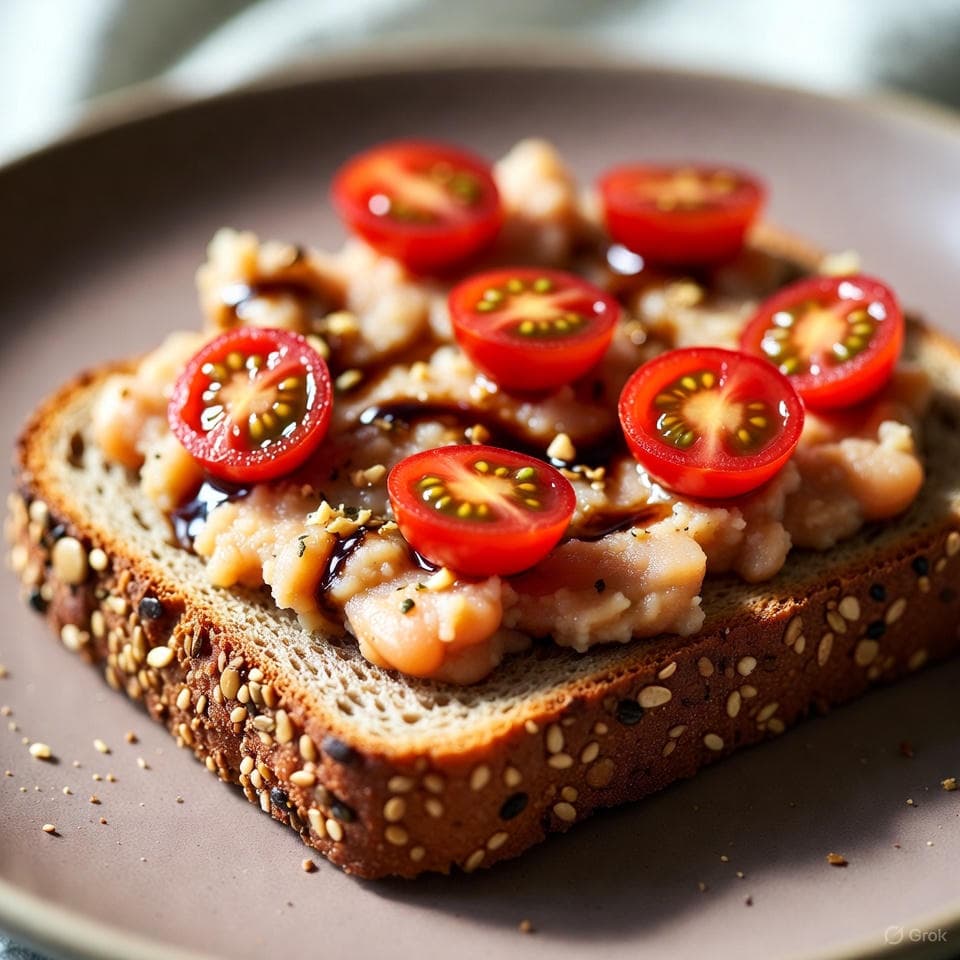
Ingredients (Serves 1; ~330 cal)
- 1 slice whole grain bread, toasted
- ½ cup canned white beans, rinsed
- 1 clove garlic, crushed
- ½ cup cherry tomatoes, sliced
- 1 tsp balsamic vinegar
Preparation (Prep/Cook: 8 min)
- Mash beans with garlic and vinegar; spread on warm toast.
- Top with tomatoes; bite into creamy, tangy harmony.
Nutrition Snapshot: 14g protein, <1g fat, 60g carbs, 11g fiber.
Why It Helps
Beans' fiber fosters gut allies, garlic's sulfur stalls proliferation, tomatoes' lycopene builds antioxidant walls, bread's whole grains steady energy, and balsamic's polyphenols amplify: a humble toast reborn as savory sanctuary.
10. Golden Turmeric Banana Smoothie
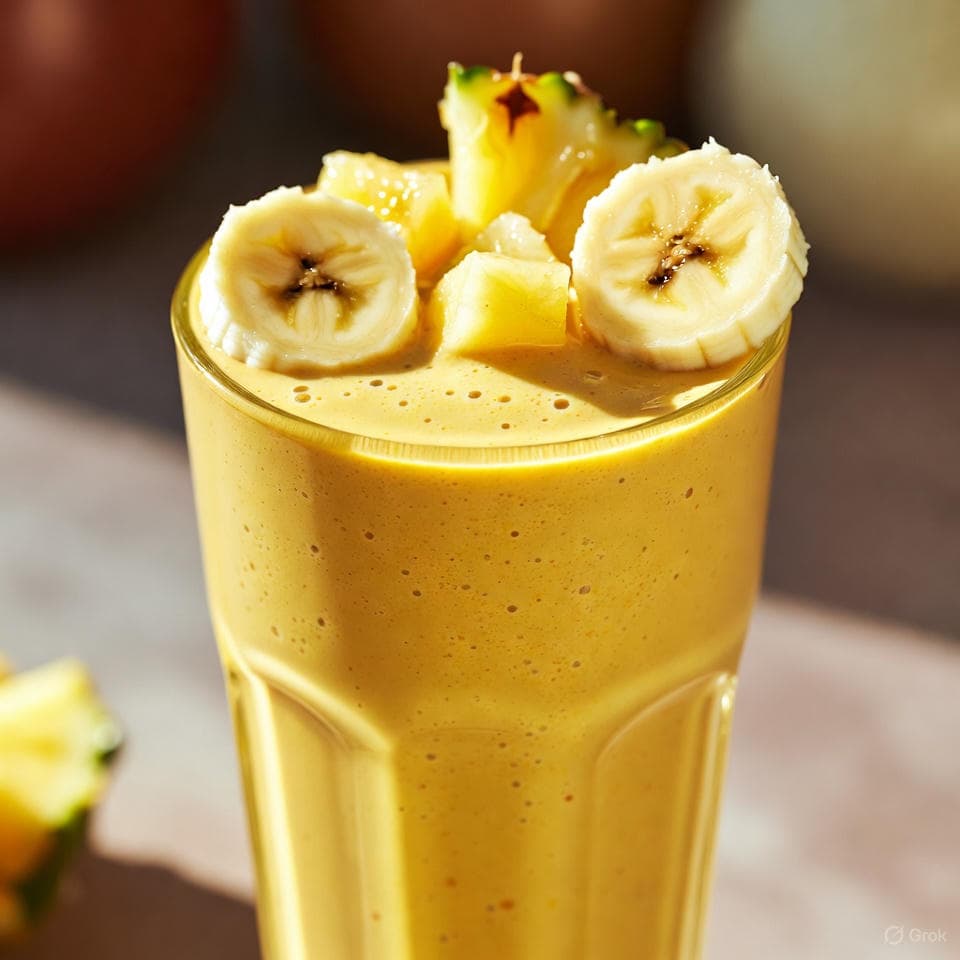
Ingredients (Serves 1; ~310 cal)
- 1 banana
- ½ tsp turmeric powder
- 1 cup unsweetened almond milk
- ½ cup pineapple chunks
- 1 tsp grated ginger
Preparation (Prep: 5 min)
- Blend banana, turmeric, milk, pineapple, and ginger to golden glow.
- Sip mindfully; feel the warmth chase away morning fog.
Nutrition Snapshot: 5g protein, <1g fat, 62g carbs, 6g fiber.
Why It Helps
Turmeric's curcumin tames fiery inflammation, pineapple's bromelain reduces invasion, banana sustains with potassium, ginger soothes queasy waves, and almond milk's lightness invites ease: a radiant elixir for your inner alchemist.
Your 10 Sustaining Lunch Recipes
1. Emerald Quinoa Harvest Bowl
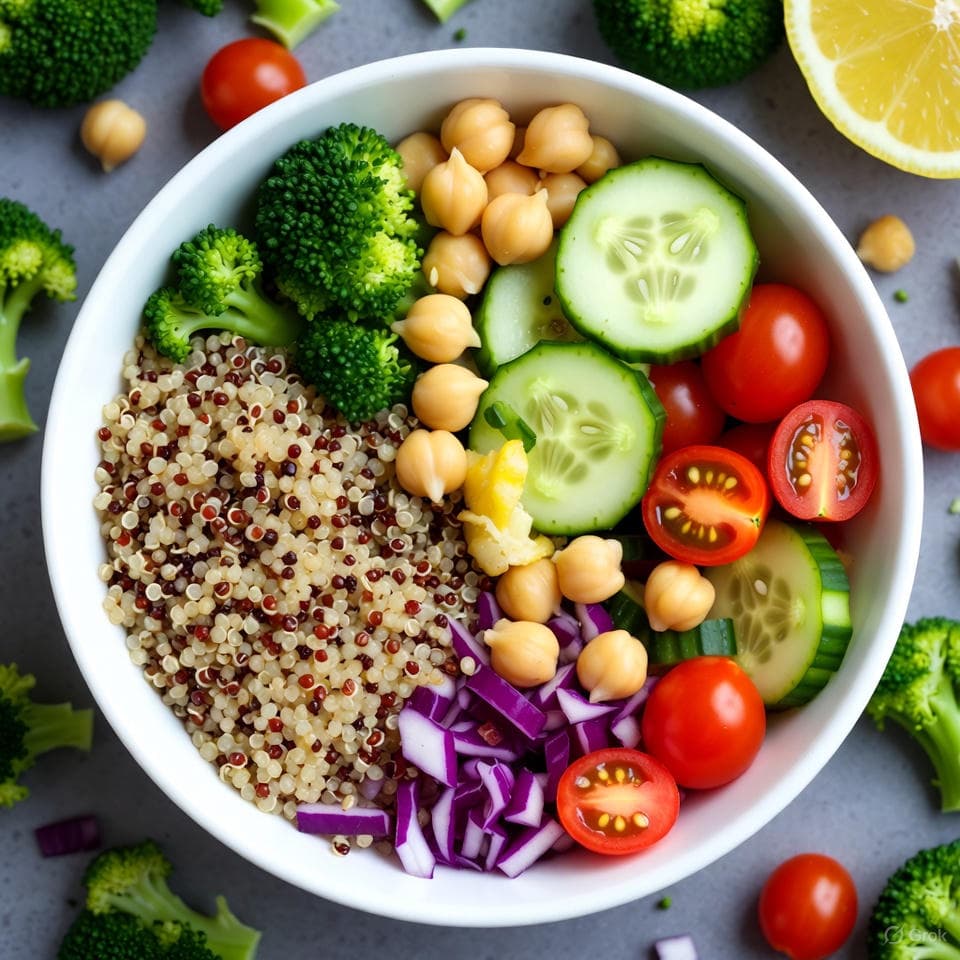
Ingredients (Serves 1; ~380 cal)
- ½ cup cooked quinoa
- ½ cup chickpeas, rinsed
- 1 cup mixed veggies (cucumber, cherry tomatoes)
- 2 tbsp lemon juice
- 1 clove garlic, minced
- ½ cup broccoli florets, steamed
Preparation (Prep/Cook: 15 min)
- Fluff quinoa with minced garlic and lemon juice; fold in chickpeas and steamed broccoli for tender pops.
- Layer with sliced cucumber and halved tomatoes; let citrus whispers brighten each jewel-toned bite.
Nutrition Snapshot: 18g protein, 2g fat, 65g carbs, 12g fiber.
Why It Helps
Quinoa's complete proteins mend midday slumps, chickpeas' fiber binds gut foes, broccoli's sulforaphane ignites detox fires, garlic's allicin halts rogue growth, cucumber's cucurbitacins cool inflammation, tomatoes' lycopene builds ruby shields, and lemon's limonene flushes shadows: a verdant midday rebellion, crisp and alive.
2. Velvet Lentil Spinach Simmer
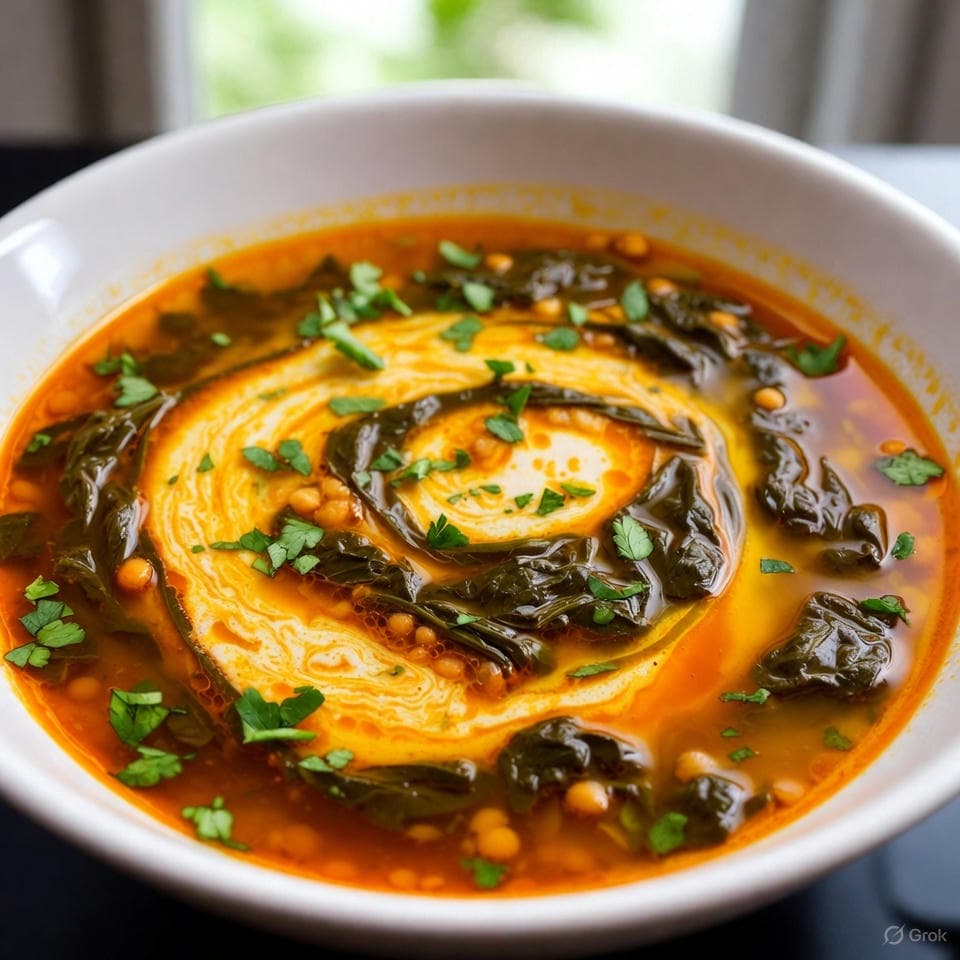
Ingredients (Serves 1; ~360 cal)
- ½ cup red lentils
- 2 cups spinach, chopped
- 1 tsp grated ginger
- 1 cup low-sodium veggie broth
- ½ tsp turmeric
- 1 small carrot, diced
Preparation (Prep/Cook: 20 min)
- Simmer lentils in broth with ginger, turmeric, and carrot until creamy-soft, about 15 min.
- Stir in spinach to wilt into emerald silk; inhale the golden steam like a soothing embrace.
Nutrition Snapshot: 20g protein, 1g fat, 60g carbs, 15g fiber.
Why It Helps
Lentils' polyphenols repair DNA strands, spinach's lutein guards against fatigue's fog, ginger's gingerol eases any queasy waves, turmeric's curcumin tames midday flares, carrot's beta-carotene fortifies lung lines, a velvety potion that wraps your core in quiet strength, warm as whispered hope.
3. Crimson Chickpea Kale Crunch
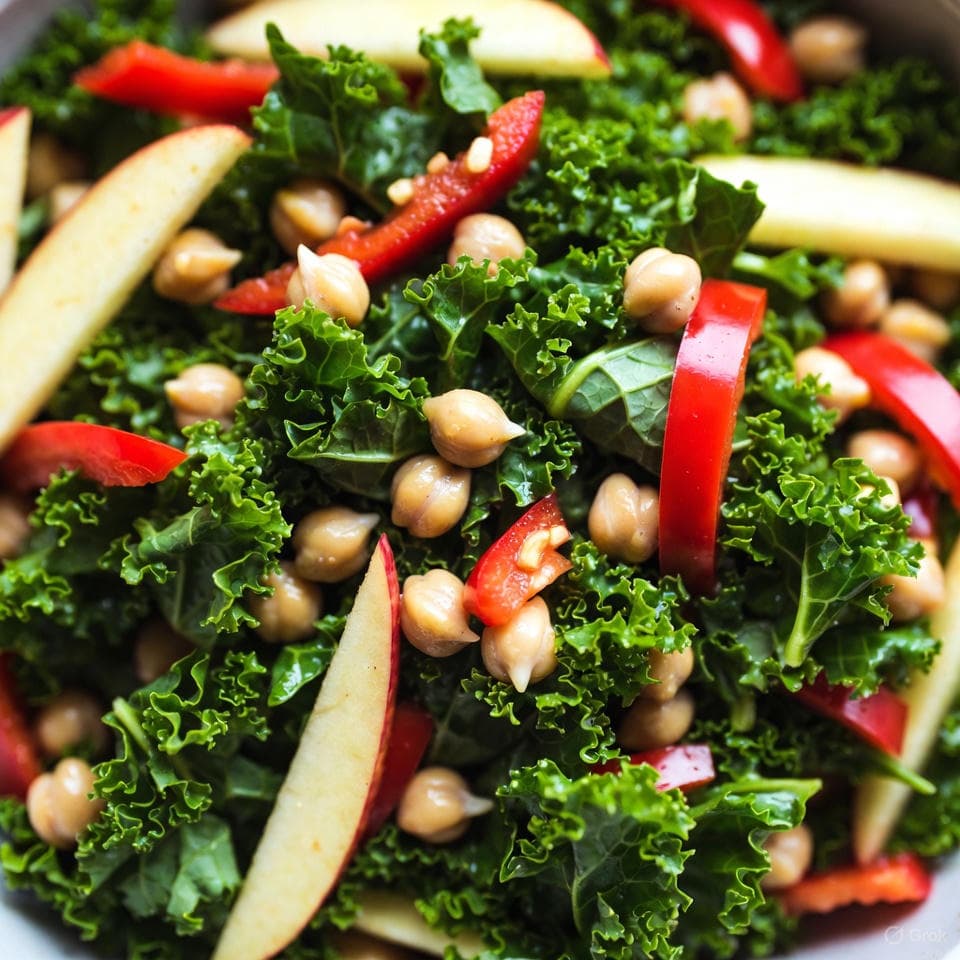
Ingredients (Serves 1; ~390 cal)
- ¾ cup chickpeas, rinsed
- 2 cups kale, massaged
- ½ red bell pepper, sliced
- 1 small apple, diced
- 1 tbsp apple cider vinegar
- ½ tsp cumin
Preparation (Prep: 10 min)
- Massage kale with vinegar and cumin until silky-tender; toss in chickpeas for hearty heft.
- Scatter bell pepper and apple for crisp ruby pops; crunch into autumnal joy.
Nutrition Snapshot: 19g protein, 2g fat, 68g carbs, 14g fiber.
Why It Helps
Chickpeas' saponins soothe colon calm, kale's kaempferol inhibits hidden threats, bell pepper's quercetin targets CSC shadows, apple's quercetin curbs breast chaos, cumin's thymoquinone boosts detox: a crimson crunch that dances on your tongue, fierce and forgiving for the afternoon ahead.
4. Sunset Sweet Potato Black Bean Feast
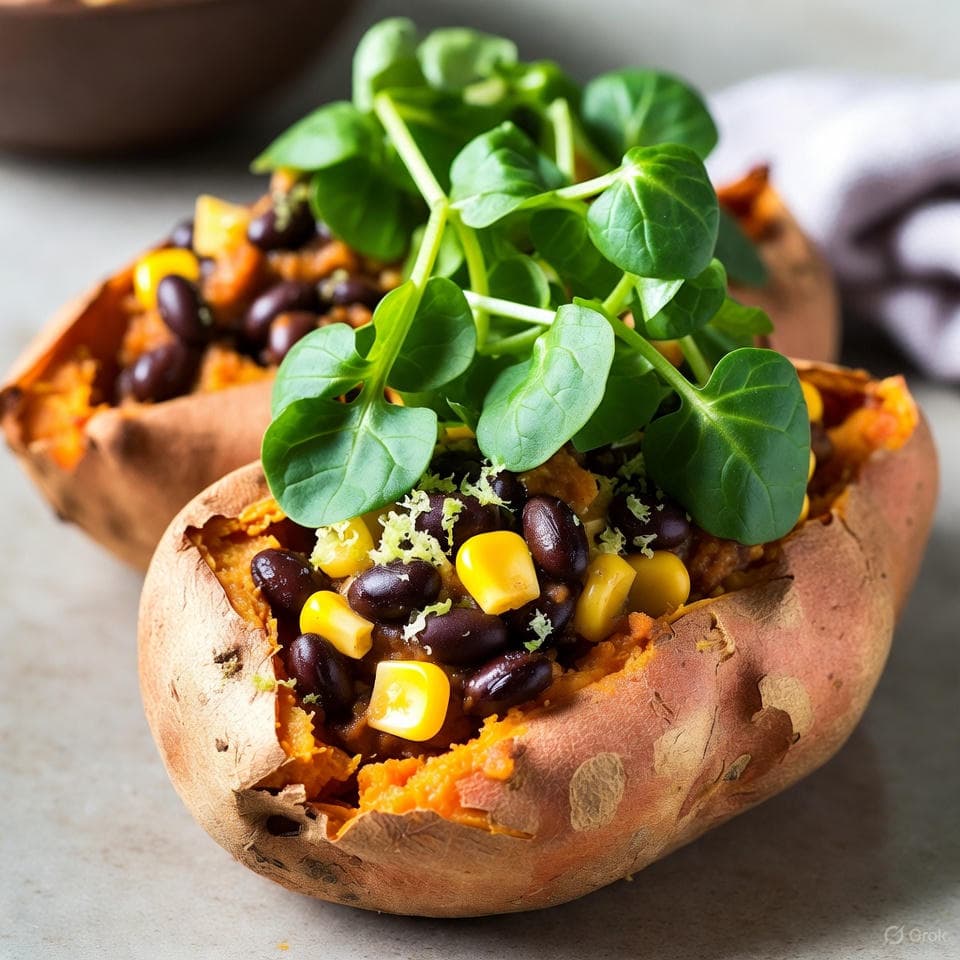
Ingredients (Serves 1; ~410 cal)
- 1 medium sweet potato
- ½ cup black beans, rinsed
- ½ cup corn kernels
- 1 tbsp lime juice
- ½ tsp smoked paprika
- 1 cup watercress, chopped
Preparation (Prep/Cook: 25 min)
- Bake sweet potato at 400°F for 20 min until fork-tender; scoop and mix with beans, corn, lime, and paprika.
- Refill skins and crown with watercress; savor the smoky sunset glow.
Nutrition Snapshot: 16g protein, 1g fat, 80g carbs, 13g fiber.
Why It Helps
Sweet potato's beta-carotene shields prostate paths, black beans' anthocyanins mend GI guardians, corn's ferulic acid aids bladder balance, lime's hesperidin detoxes deeply, paprika's capsaicin sparks circulation, watercress' PEITC topples lung risks: a fiery feast that fuels your fire without a flicker of fatigue.
5. Whispering White Bean Broccoli Broth
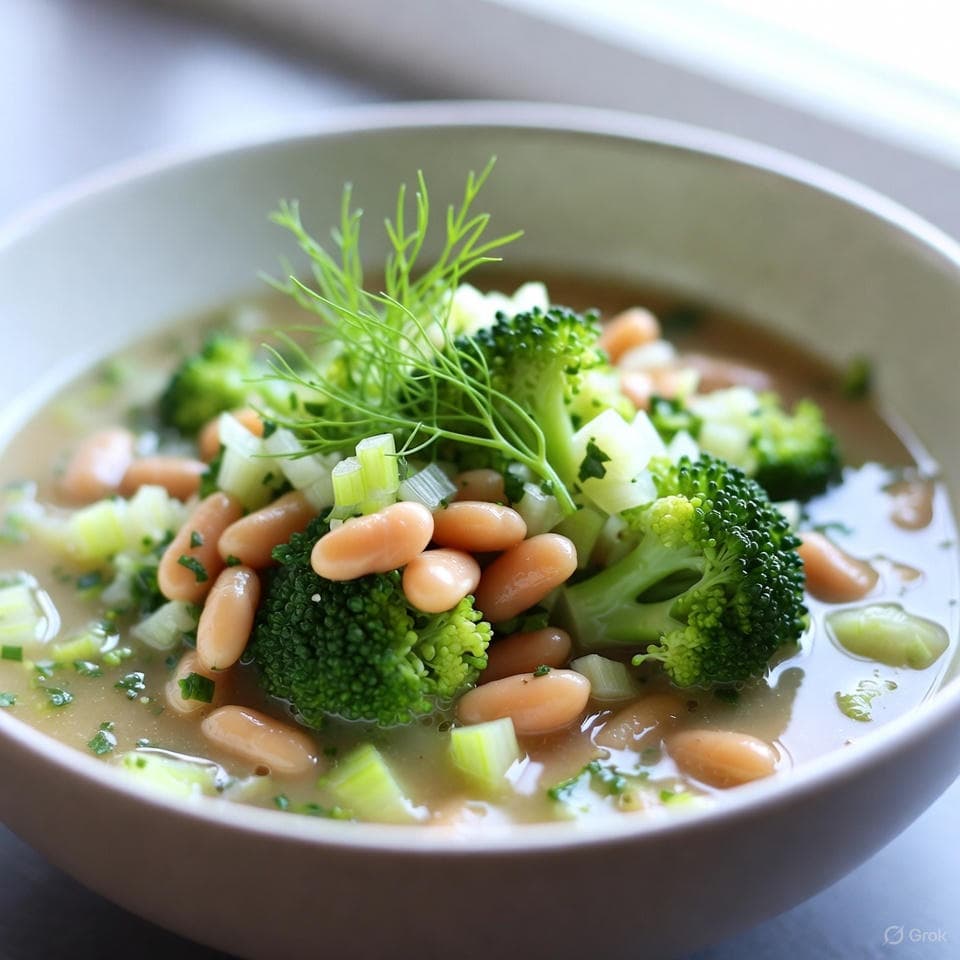
Ingredients (Serves 1; ~370 cal)
- ¾ cup white beans, rinsed
- 2 cups broccoli florets
- 1 small fennel bulb, sliced
- 2 cups low-sodium veggie broth
- 1 tsp lemon zest
- 1 clove garlic, minced
Preparation (Prep/Cook: 18 min)
- Simmer beans, broccoli, fennel, and garlic in broth for 15 min until velvety-soft.
- Finish with lemon zest; sip the anise-kissed whispers like a secret shared.
Nutrition Snapshot: 22g protein, 2g fat, 62g carbs, 16g fiber.
Why It Helps
White beans' lectins soothe colon calm, broccoli's glucoraphanin activates Nrf2 shields, fennel's anethole balances hormones softly, garlic's allyl sulfides block blood to tumors, lemon zest's limonene flushes liver low, a whispering warmth that mends from within, light as a midday dream.
6. Golden Turmeric Cauliflower Curry
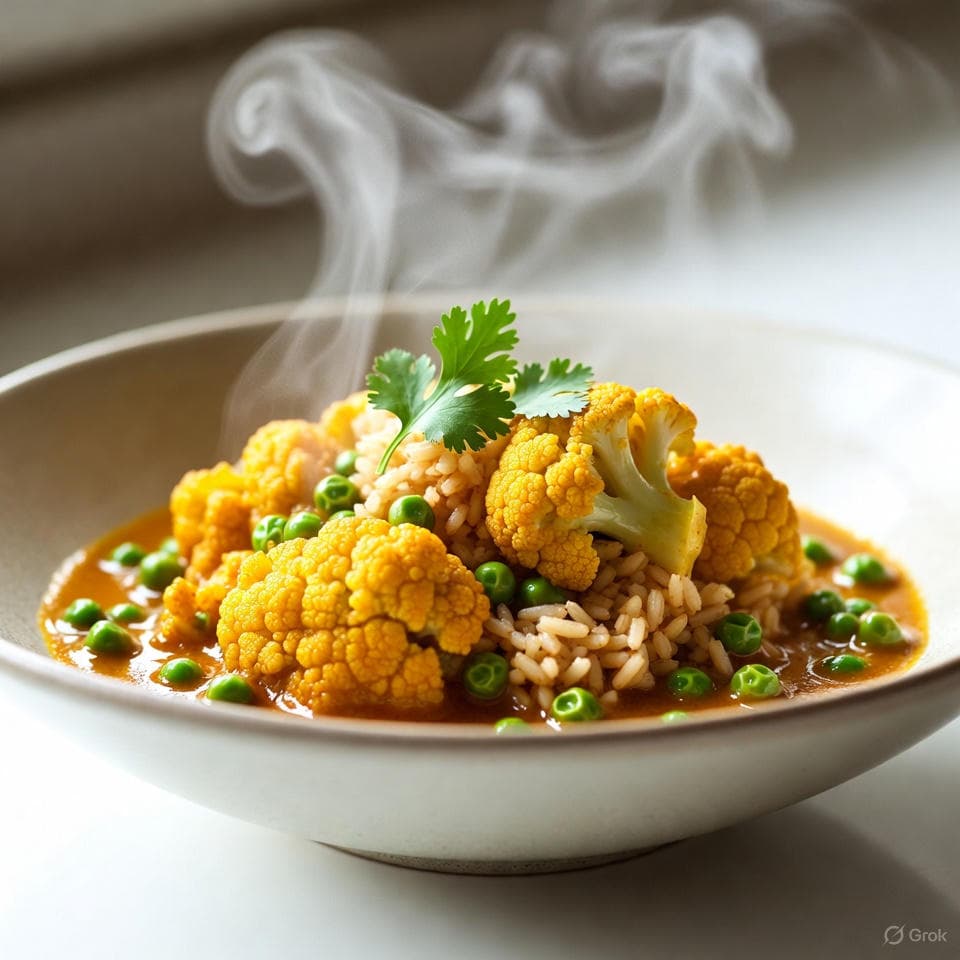
Ingredients (Serves 1; ~340 cal)
- 2 cups cauliflower florets
- ½ cup green peas
- 1 tsp turmeric
- 1 cup low-sodium veggie broth
- 1 tsp grated ginger
- ½ cup cooked brown rice
Preparation (Prep/Cook: 20 min)
- Simmer cauliflower, peas, turmeric, and ginger in broth until florets bloom golden, 15 min.
- Spoon over rice; let the spicy-sweet haze heal with every spoonful.
Nutrition Snapshot: 15g protein, 1g fat, 65g carbs, 11g fiber.
Why It Helps
Cauliflower's indole-3-carbinol metabolizes estrogens wisely, peas' isoflavones guard breast borders, turmeric's curcumin quells cytokine storms, ginger's shogaol eases any ache, rice's resistant starch feeds gut warriors: a golden glow that turns lunch into luminous armor, bold yet balm-like.
7. Ruby Beetroot Lentil Layer
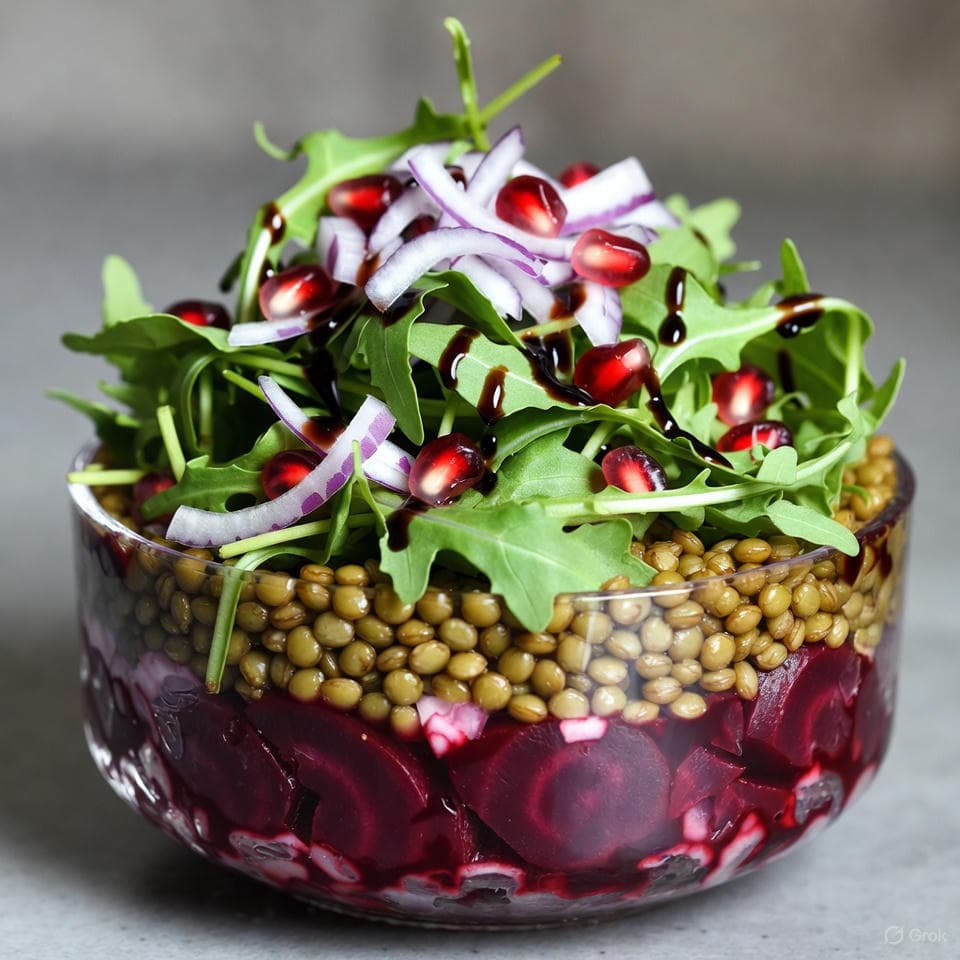
Ingredients (Serves 1; ~400 cal)
- ½ cup cooked lentils
- 1 medium beet, roasted and diced
- 2 cups arugula
- 1 tbsp balsamic vinegar
- ½ cup pomegranate arils
- 1 small onion, thinly sliced
Preparation (Prep/Cook: 25 min)
- Roast beet at 400°F for 20 min; layer with lentils, arugula, onion, and arils.
- Drizzle balsamic; the tart-sweet symphony sings of earth's deep reds.
Nutrition Snapshot: 17g protein, 2g fat, 72g carbs, 14g fiber.
Why It Helps
Beets' betalains quench liver flames, lentils' fiber fosters microbial might, arugula's nitrates boost blood flow gently, pomegranate's punicalagins stabilize PSA whispers, onion's quercetin shields head and neck: a ruby ritual that roots you in resilient rhythm, vibrant as victory.
8. Zesty Zucchini Tofu Tango
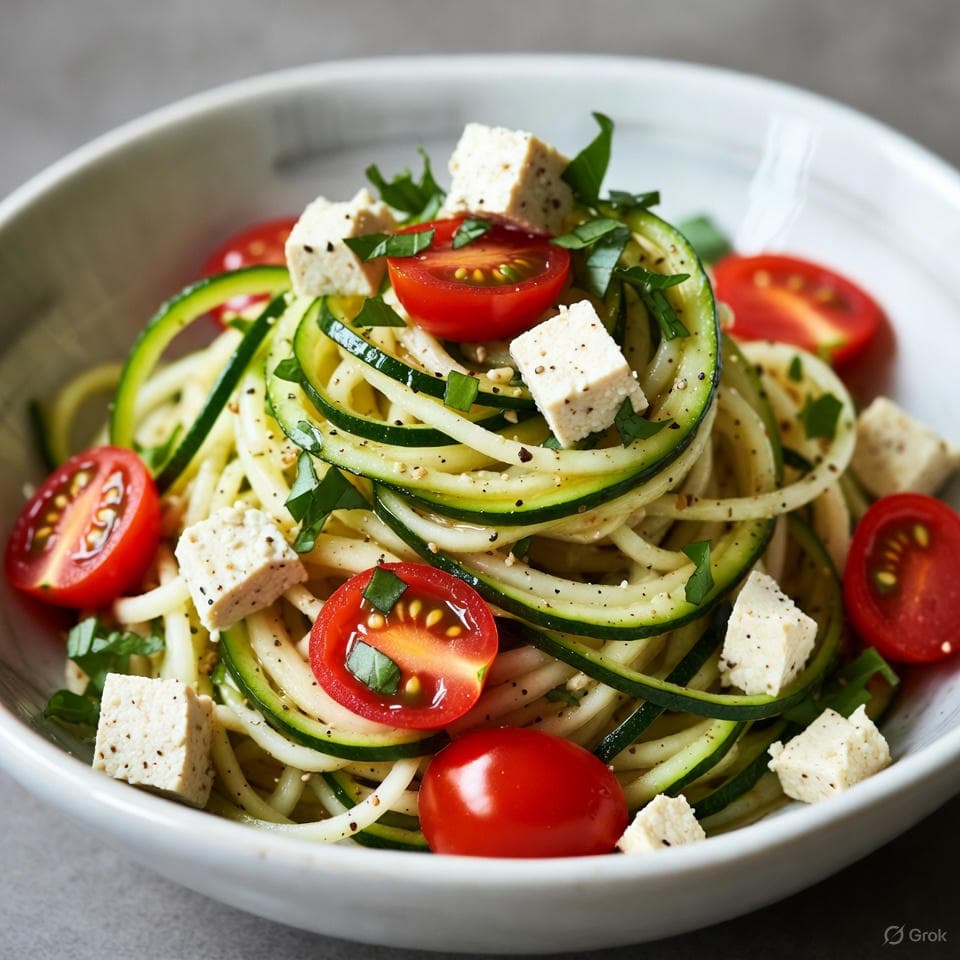
Ingredients (Serves 1; ~350 cal)
- 4 oz firm tofu, crumbled
- 2 medium zucchini, spiralized
- 1 cup cherry tomatoes, halved
- 1 tbsp lemon juice
- Fresh basil, chopped
- ½ tsp black pepper
Preparation (Prep/Cook: 12 min)
- Steam zucchini noodles briefly; toss with crumbled tofu, tomatoes, lemon, basil, and pepper.
- Twirl into light, zingy strands, like summer's playful dance on your plate.
Nutrition Snapshot: 20g protein, 2g fat, 40g carbs, 8g fiber.
Why It Helps
Tofu's isoflavones harmonize hormones, zucchini's cucurbitacins curb spread softly, tomatoes' lycopene arms prostate allies, lemon's hesperidin aids apoptosis, basil's eugenol eases inflammation, pepper's piperine unlocks curcumin kin: a zesty tango that lightens your load with lively grace.
9. Harvest Mushroom Barley Bliss
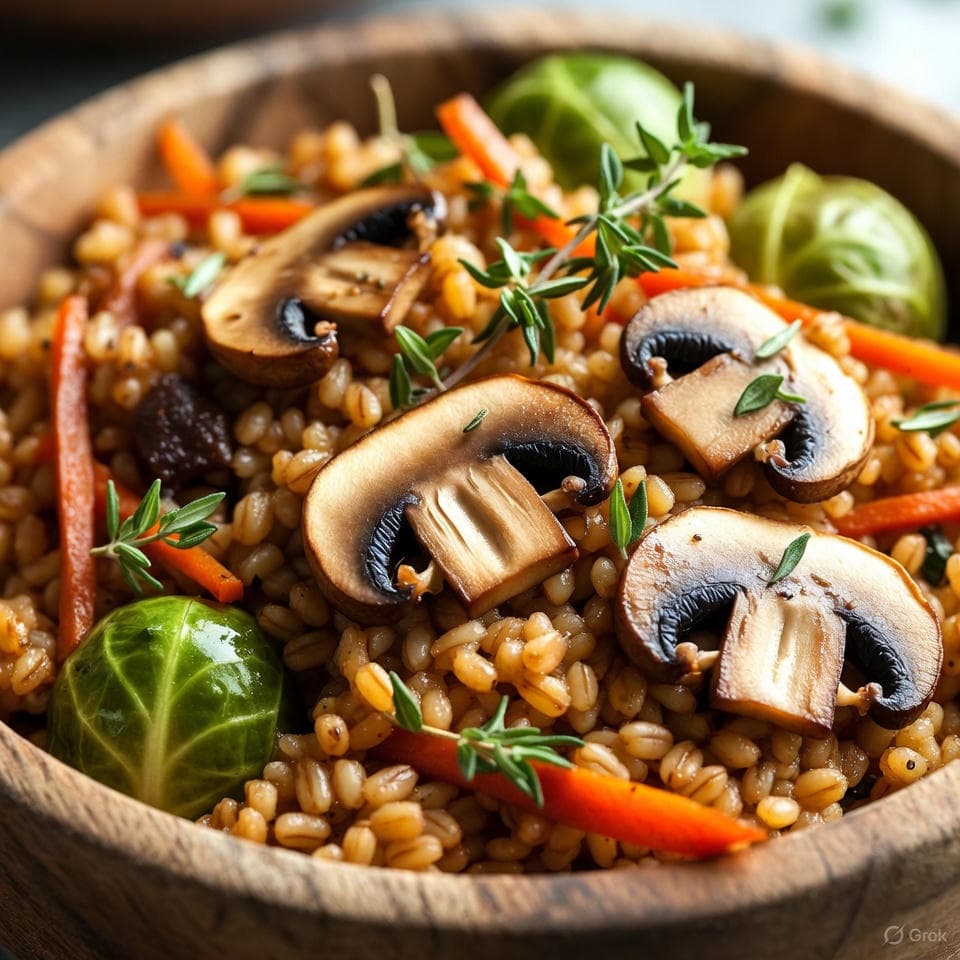
Ingredients (Serves 1; ~420 cal)
- ½ cup cooked barley
- 1 cup mushrooms, sliced
- 1 carrot, julienned
- 1 cup low-sodium veggie broth
- 1 tsp thyme
- ½ cup Brussels sprouts, halved
Preparation (Prep/Cook: 22 min)
- Simmer barley, mushrooms, carrot, Brussels, and thyme in broth until earthy and tender, 18 min.
- Spoon into bliss; the umami earthiness grounds your midday muse.
Nutrition Snapshot: 15g protein, 2g fat, 75g carbs, 12g fiber.
Why It Helps
Barley's beta-glucans bolster immune ranks, mushrooms' ergothioneine shields mitochondria, carrot's falcarinol guards prostate peace, Brussels' sinigrin detoxes GI gates, thyme's thymol fights oxidative foes: a harvest hug that nourishes deeply, woody and wise for weary warriors.
10. Citrus Cabbage Roll Revival
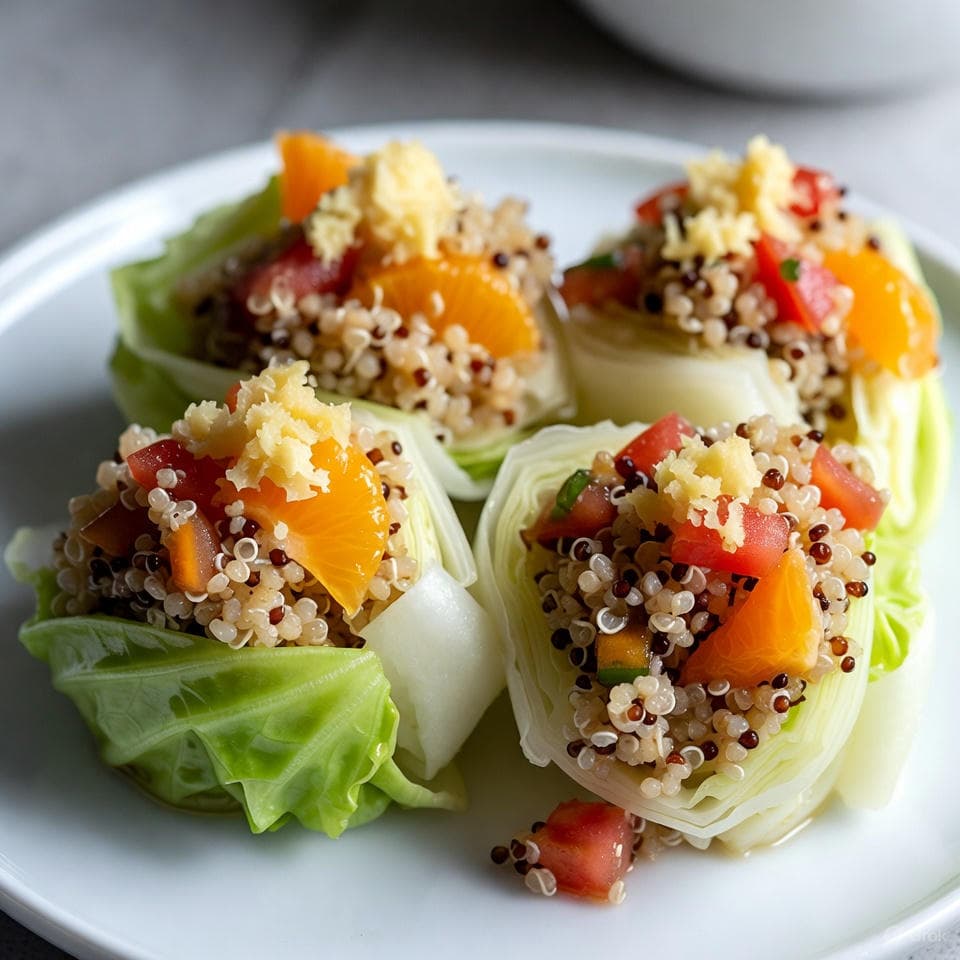
Ingredients (Serves 1; ~380 cal)
- 4 large cabbage leaves
- ½ cup cooked quinoa
- ½ cup diced tomatoes
- 1 small orange, segmented
- 1 tbsp rice vinegar
- ½ tsp ginger, grated
Preparation (Prep/Cook: 20 min)
- Steam cabbage leaves soft; fill with quinoa, tomatoes, orange, vinegar, and ginger mixture.
- Roll snugly; the citrus burst revives like a fresh chapter unfolding.
Nutrition Snapshot: 16g protein, 1g fat, 70g carbs, 10g fiber.
Why It Helps
Cabbage's glucobrassicin builds gastric walls, quinoa's saponins steady blood sugars, tomatoes' tomatine aids apoptosis, orange's hesperidin detoxes upper GI, ginger's gingerol curbs proliferation: a citrus revival that wraps resilience in tender leaves, bright and buoyant for the battles beyond.
Your 10 Restorative Supper Recipes
1. Whispering Tofu Broccoli Symphony

Ingredients (Serves 1; ~380 cal)
- 4 oz firm tofu, cubed
- 2 cups broccoli florets
- ½ cup cooked brown rice
- 1 clove garlic, minced
- 1 tbsp rice vinegar
- ½ tsp grated ginger
Preparation (Prep/Cook: 20 min)
- Steam tofu and broccoli with ginger and garlic until florets bloom tender-emerald, about 10 min.
- Toss with rice vinegar for a zingy veil; spoon over warm rice like a gentle evening serenade.
Nutrition Snapshot: 22g protein, 2g fat, 55g carbs, 8g fiber.
Why It Helps
Tofu's genistein balances estrogen whispers, broccoli's sulforaphane ignites Nrf2 shields, garlic's allicin halts angiogenesis, ginger's gingerol soothes treatment tides, rice's resistant starch feeds gut guardians, and vinegar's acetic acid steadies blood's quiet flow: a harmonious hush that cradles your cells in twilight peace.
2. Crimson Stuffed Pepper Sanctuary
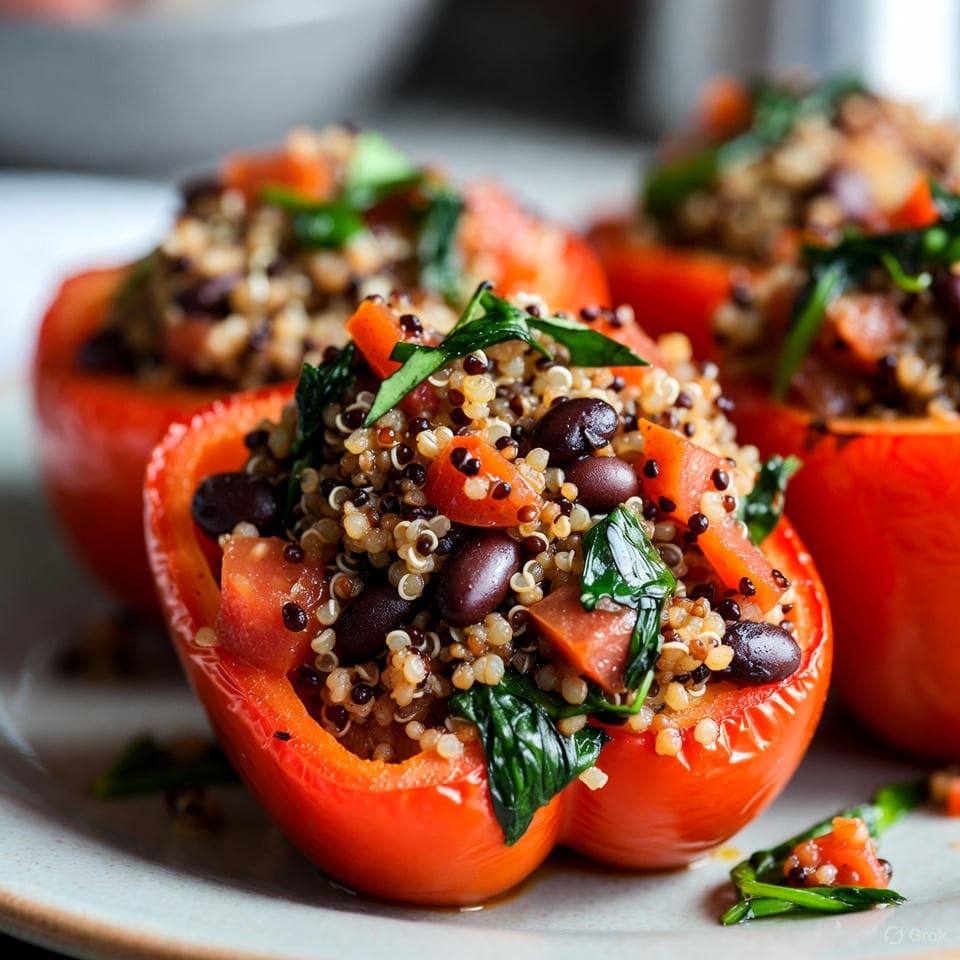
Ingredients (Serves 1; ~400 cal)
- 2 large red bell peppers, halved
- ½ cup cooked quinoa
- ½ cup black beans, rinsed
- 1 cup diced tomatoes
- 1 tsp lime juice
- ½ cup spinach, chopped
Preparation (Prep/Cook: 30 min)
- Mix quinoa, beans, tomatoes, spinach, and lime; stuff into pepper halves.
- Bake at 375°F for 20 min until skins soften to ruby silk; let the earth's bounty bloom.
Nutrition Snapshot: 18g protein, 2g fat, 70g carbs, 12g fiber.
Why It Helps
Peppers' quercetin targets lung shadows, quinoa's saponins mend DNA gently, beans' anthocyanins soothe GI fires, tomatoes' lycopene arms prostate peace, spinach's lutein guards against evening fatigue, lime's hesperidin detoxes deeply: a crimson cradle where flavors fold into restorative repose, bold yet balm-like.
3. Twilight Lentil Kale Cauldron
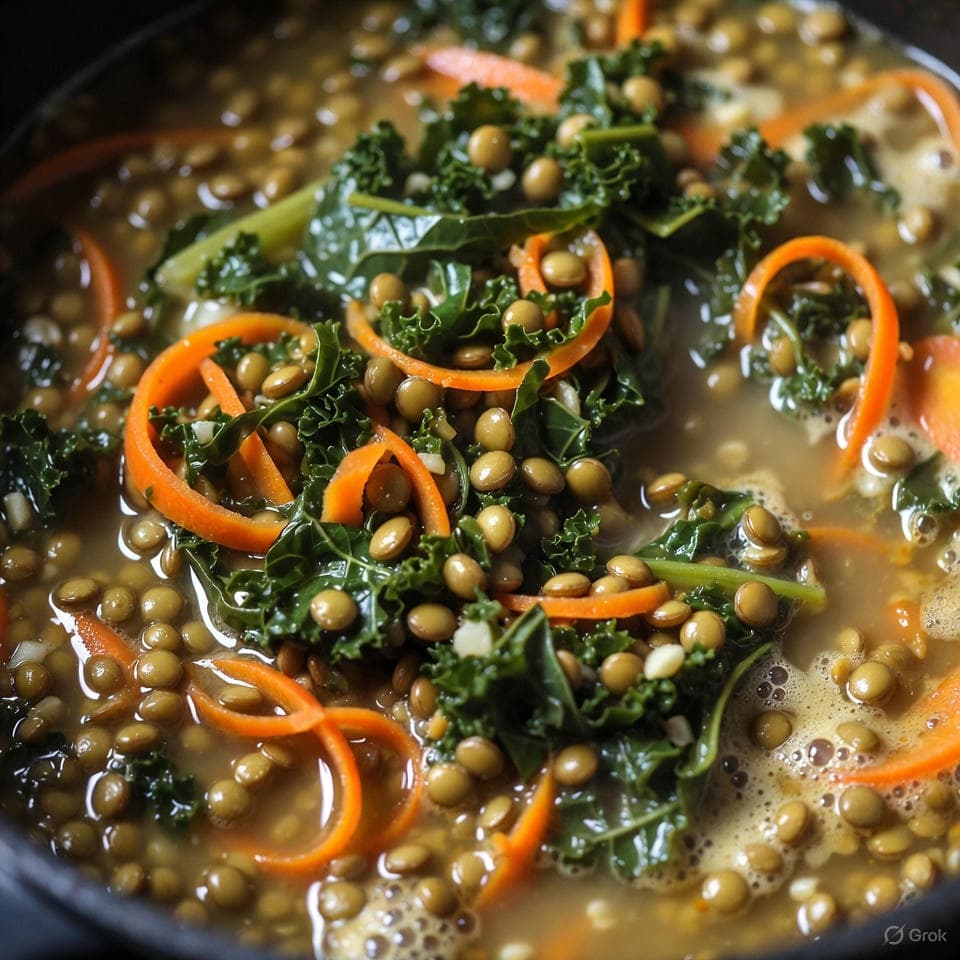
Ingredients (Serves 1; ~390 cal)
- ¾ cup green lentils, cooked
- 2 cups kale, chopped
- 1 carrot, sliced
- 1 clove garlic, minced
- 1 tsp apple cider vinegar
- ½ tsp turmeric
Preparation (Prep/Cook: 25 min)
- Simmer lentils with carrot, garlic, turmeric, and vinegar until carrots yield to tenderness, 15 min.
- Stir in kale to wilt into verdant waves; ladle into twilight's comforting glow.
Nutrition Snapshot: 24g protein, 1g fat, 65g carbs, 15g fiber.
Why It Helps
Lentils' polyphenols repair evening's weary strands, kale's kaempferol inhibits HDAC whispers, carrot's falcarinol fortifies prostate lines, garlic's allicin blocks hidden feeds, turmeric's curcumin tames cytokine dusk, vinegar's probiotics nurture microbiome peace: a cauldron's call that steeps strength in soothing steam, earthy and eternal.
4. Ember Sweet Potato Chickpea Glow
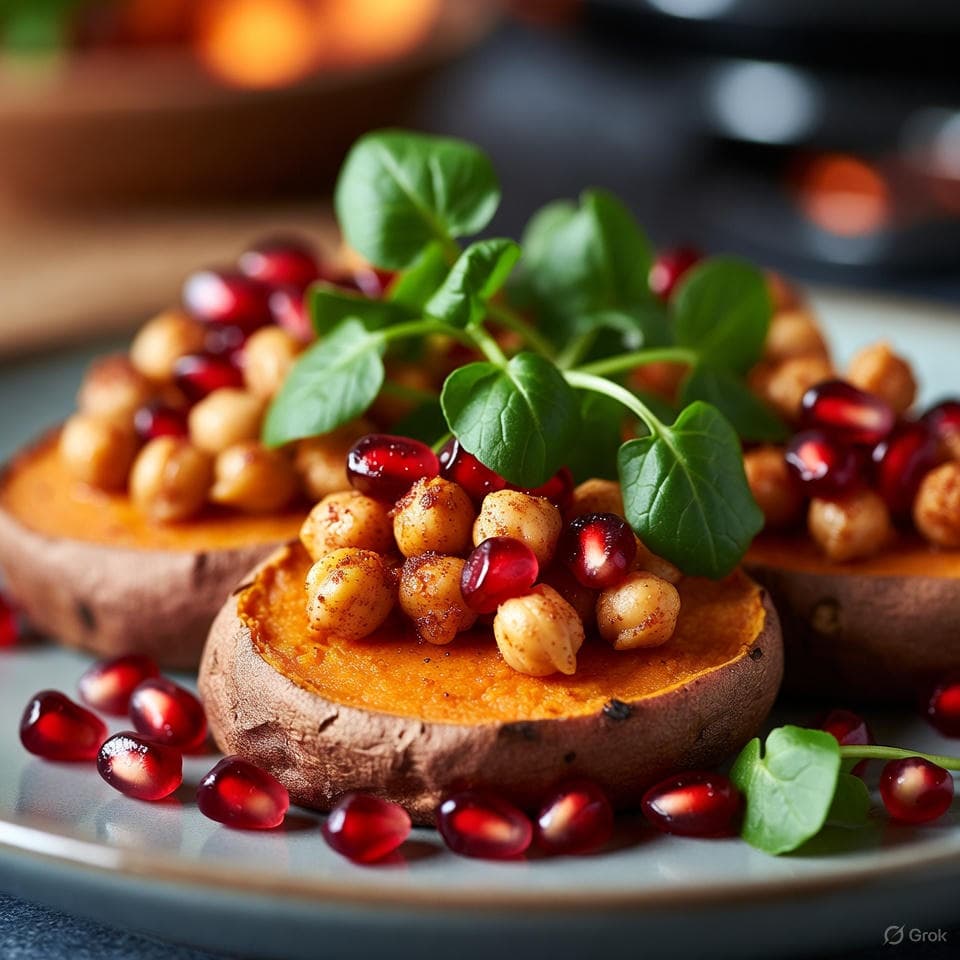
Ingredients (Serves 1; ~410 cal)
- 1 medium sweet potato, sliced
- ¾ cup chickpeas, rinsed
- ½ cup pomegranate arils
- ½ tsp cinnamon
- 1 tbsp lemon juice
- 1 cup watercress
Preparation (Prep/Cook: 25 min)
- Bake sweet potato slices at 400°F for 15 min; simmer chickpeas with cinnamon and lemon until infused.
- Layer with watercress and pomegranate jewels; ignite the night's warm ember dance.
Nutrition Snapshot: 16g protein, 2g fat, 75g carbs, 13g fiber.
Why It Helps
Sweet potato's beta-carotene shields pancreatic paths, chickpeas' saponins calm colon tides, pomegranate's punicalagins stabilize PSA evenings, cinnamon's polyphenols steady glucose hush, lemon's limonene detoxes liver low, watercress' PEITC topples lung embers: a glowing rite that warms without weight, spiced and serene.
5. Velvet Mushroom Barley Reverie
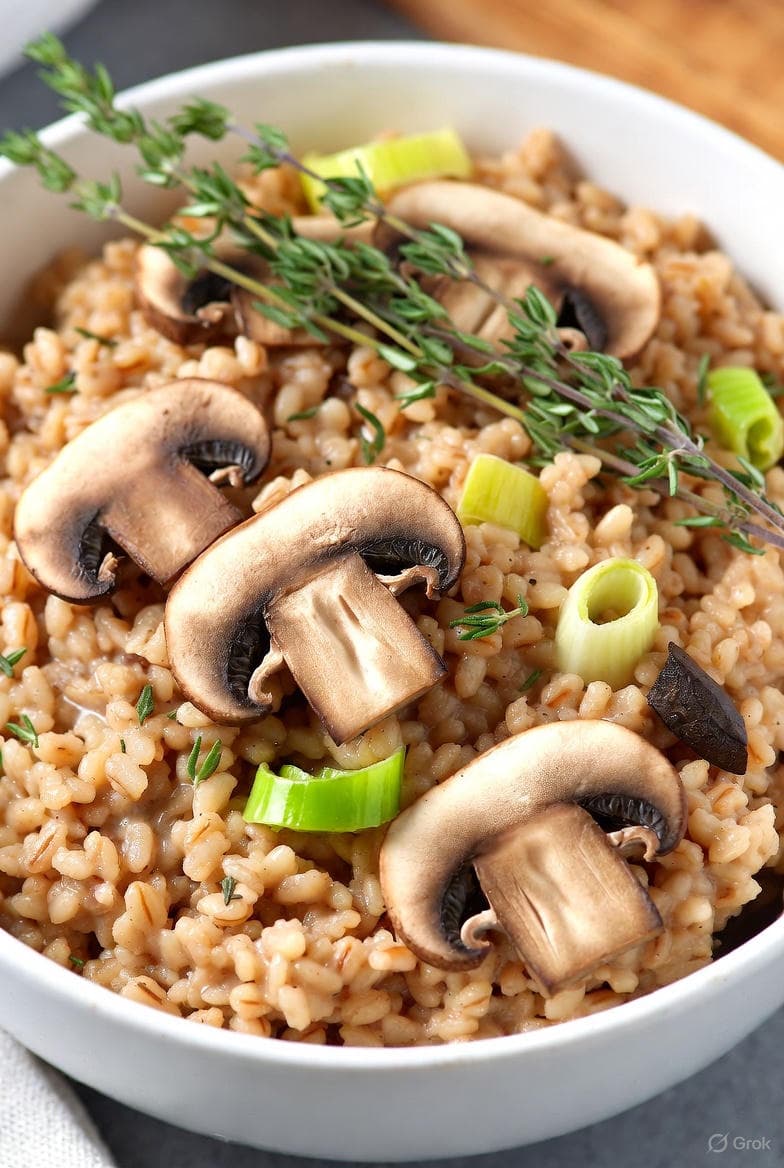
Ingredients (Serves 1; ~420 cal)
- ½ cup pearl barley, cooked
- 1 cup mushrooms, sliced
- 1 leek, sliced
- 1 tsp thyme
- 2 cups low-sodium veggie broth
- ½ cup Brussels sprouts, halved
Preparation (Prep/Cook: 30 min)
- Simmer barley in broth with leeks, mushrooms, Brussels, and thyme until velvety and earth-kissed, 20 min.
- Stir to faux-cream dream; surrender to the forest's quiet lullaby.
Nutrition Snapshot: 14g protein, 2g fat, 80g carbs, 12g fiber.
Why It Helps
Barley's beta-glucans rally immune dusk, mushrooms' ergothioneine shields mitochondria hush, leeks' kaempferol lowers PSA shadows, Brussels' sinigrin detoxes GI gates, thyme's thymol fights oxidative night: a reverie that weaves woodland wisdom into restorative silk, umami-deep and dream-soft.
6. Indigo Beetroot Quinoa Veil
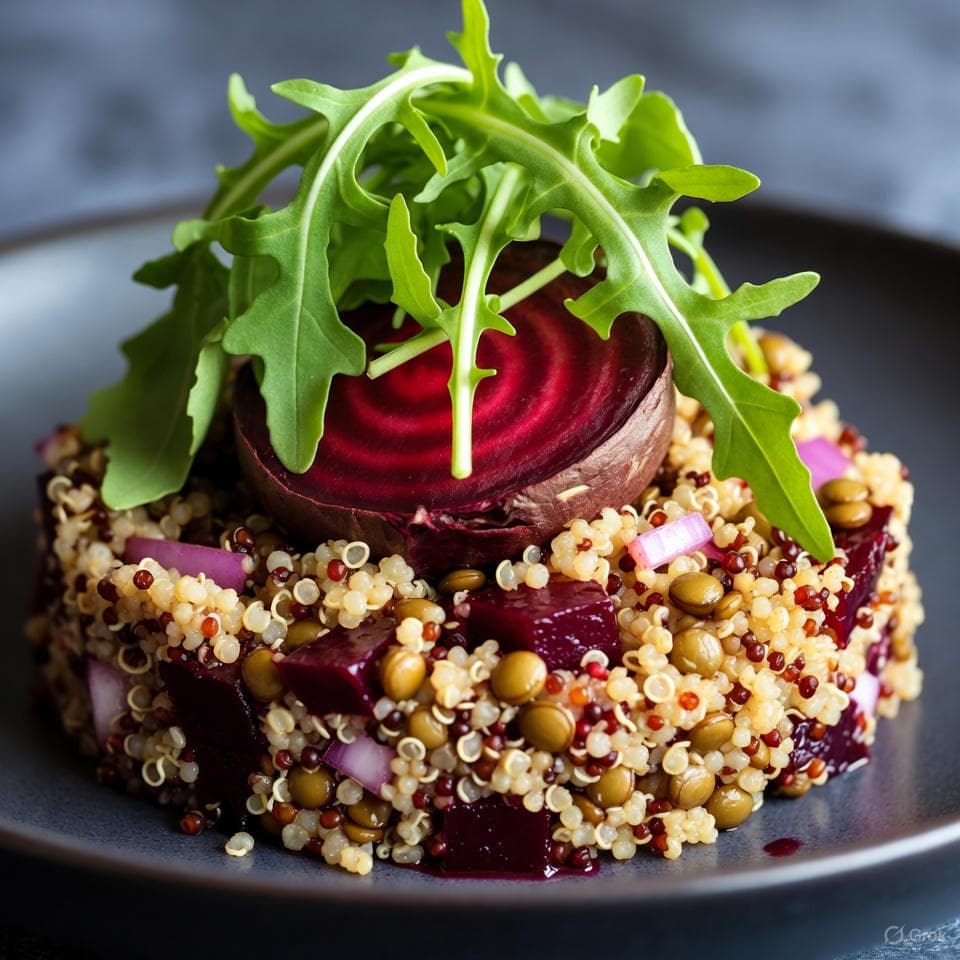
Ingredients (Serves 1; ~380 cal)
- ½ cup cooked quinoa
- 1 medium beet, roasted and diced
- 2 cups arugula
- 1 tbsp balsamic vinegar
- ½ cup cooked lentils
- 1 small onion, sliced
Preparation (Prep/Cook: 25 min)
- Roast beet at 400°F for 20 min; fold into quinoa with lentils, onion, and balsamic mist.
- Veil with arugula; the indigo earth unfolds in tangy twilight poetry.
Nutrition Snapshot: 20g protein, 1g fat, 68g carbs, 14g fiber.
Why It Helps
Beets' betalains quench liver's evening flames, quinoa's complete proteins mend quiet strands, lentils' fiber fosters microbial night, arugula's nitrates boost circulation hush, onion's quercetin shields head's repose, balsamic's polyphenols amplify the veil: a indigo interlude that roots resilience in ruby rhythm, deep and divine.
7. Saffron Cauliflower White Bean Waltz
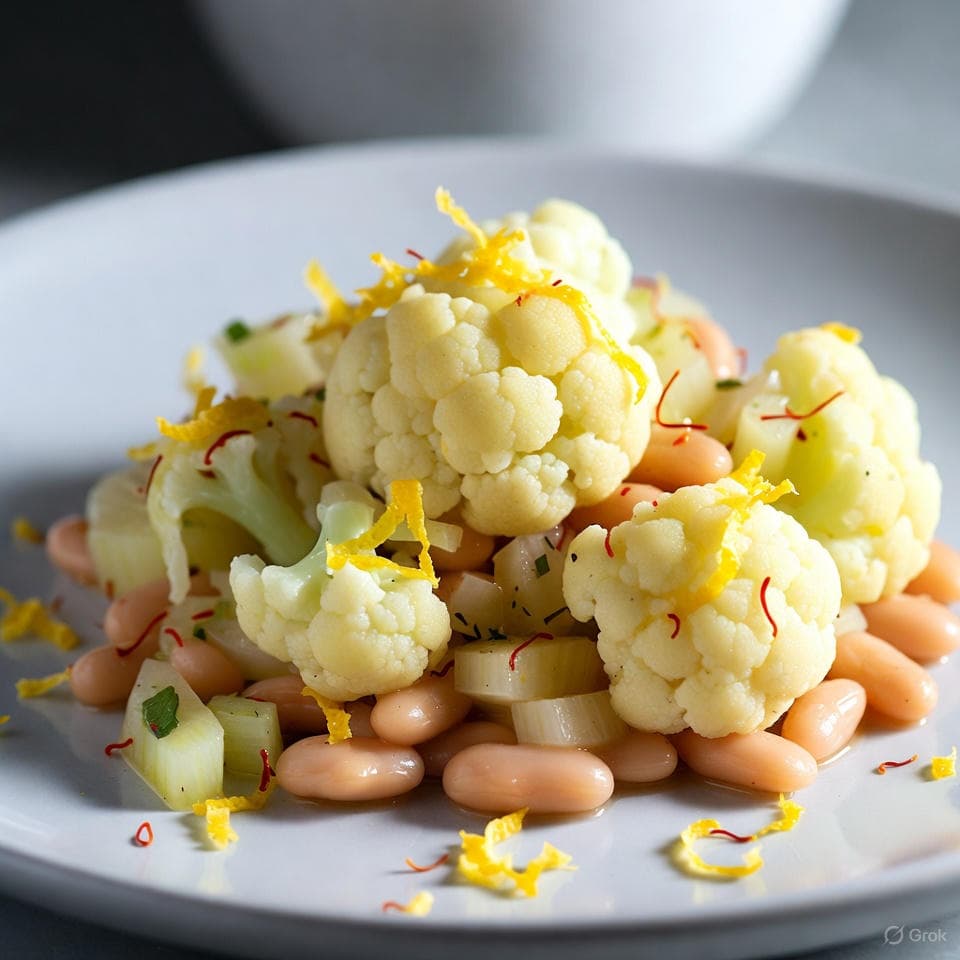
Ingredients (Serves 1; ~370 cal)
- 2 cups cauliflower florets
- ¾ cup white beans, rinsed
- 1 small fennel bulb, sliced
- Pinch of saffron (or turmeric)
- 1 tsp lemon zest
- 1 clove garlic, minced
Preparation (Prep/Cook: 20 min)
- Steam cauliflower and fennel with garlic and saffron until golden-tender, 12 min.
- Fold in beans and lemon zest; waltz into creamy, citrus-kissed elegance.
Nutrition Snapshot: 21g protein, 2g fat, 60g carbs, 13g fiber.
Why It Helps
Cauliflower's indole-3-carbinol metabolizes estrogens wisely, beans' lectins soothe colon calm, fennel's anethole balances hormone dusk, saffron's crocin quells neuro night, garlic's allyl sulfides block feeds softly, lemon's hesperidin aids apoptosis: a waltz of warmth that lightens the load with luminous grace, subtle yet sovereign.
8. Moonlit Zucchini Tomato Tango

Ingredients (Serves 1; ~350 cal)
- 2 medium zucchini, spiralized
- 1 cup cherry tomatoes, halved
- 2 oz firm tofu, crumbled
- Fresh basil, chopped
- 1 tbsp balsamic vinegar
- ½ tsp black pepper
Preparation (Prep/Cook: 15 min)
- Steam zucchini noodles briefly; toss with tomatoes, tofu, basil, vinegar, and pepper.
- Twirl under moonlight's gaze; the tango of tang and herb unfolds effortlessly.
Nutrition Snapshot: 16g protein, 1g fat, 50g carbs, 9g fiber.
Why It Helps
Zucchini's cucurbitacins curb spread's shadow, tomatoes' lycopene builds antioxidant night, tofu's isoflavones harmonize hormones hush, basil's eugenol eases inflammation's sigh, balsamic's resveratrol amplifies repair, pepper's piperine unlocks the dance: a moonlit melody that lightens evenings with lively, low-key allure.
9. Harvest Pumpkin Spinach Stew
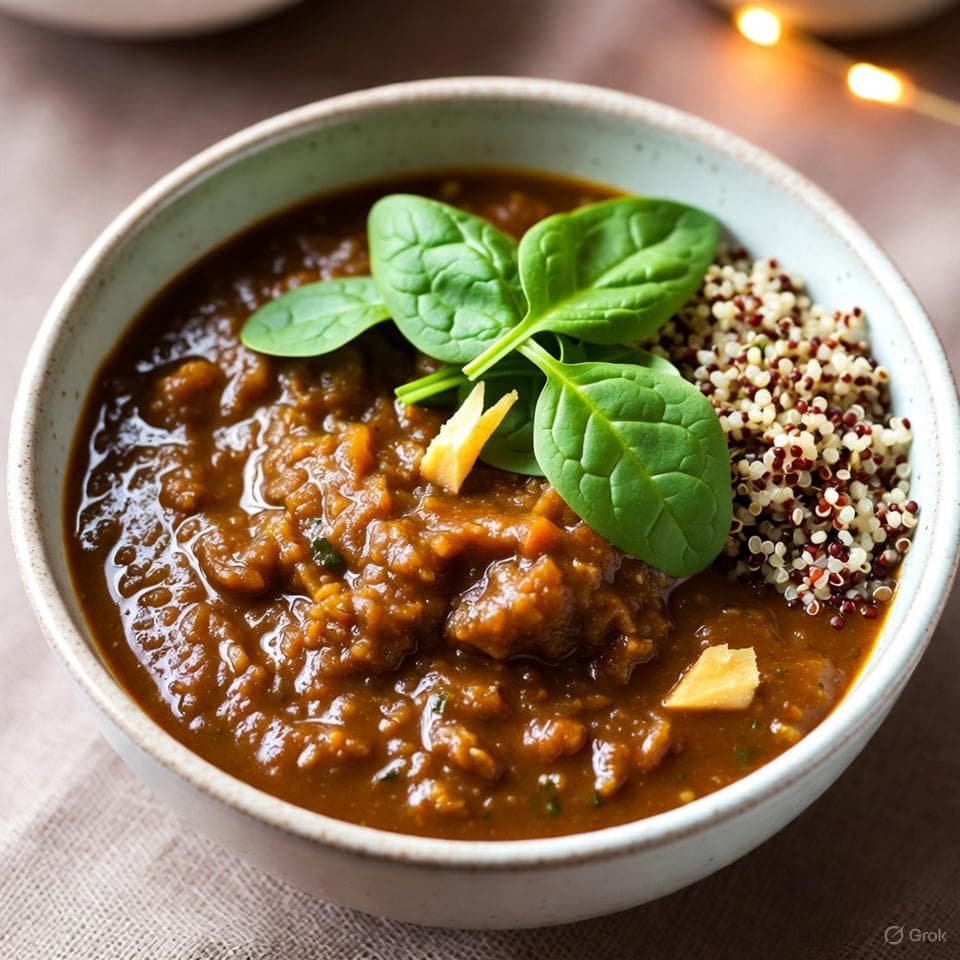
Ingredients (Serves 1; ~360 cal)
- 1 cup pumpkin puree
- 2 cups spinach
- 1 tsp grated ginger
- 1 cup low-sodium veggie broth
- ½ cup cooked quinoa
- ½ tsp nutmeg
Preparation (Prep/Cook: 20 min)
- Simmer pumpkin, broth, ginger, and nutmeg until silky-smooth, 10 min.
- Stir in spinach to wilt and quinoa for heartiness; harvest the night's nurturing nest.
Nutrition Snapshot: 15g protein, 1g fat, 62g carbs, 10g fiber.
Why It Helps
Pumpkin's beta-carotene aids pancreatic peace, spinach's nitrates boost circulation's calm, ginger's shogaol eases queasy dusk, quinoa's fiber binds evening toxins, nutmeg's myristicin supports detox dreams: a harvest hug that cocoons in autumnal warmth, spiced and soul-soothing.
10. Starlit Cabbage Roll Radiance
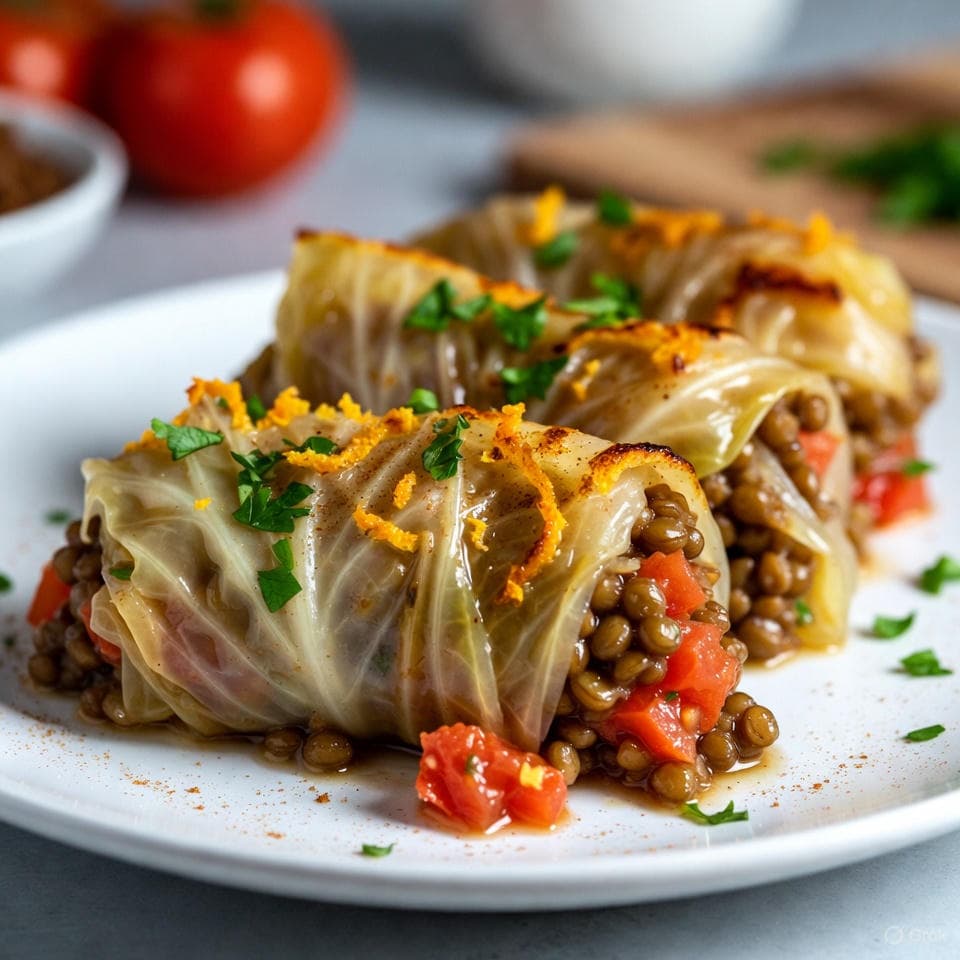
Ingredients (Serves 1; ~390 cal)
- 4 large cabbage leaves
- ½ cup cooked lentils
- 1 cup diced tomatoes
- 1 small orange, zested and segmented
- 1 tbsp rice vinegar
- ½ tsp cumin
Preparation (Prep/Cook: 25 min)
- Steam cabbage leaves pliant; fill with lentils, tomatoes, orange, vinegar, and cumin blend.
- Roll and simmer 10 min; under starlight, the radiance unfolds in citrus-citrus harmony.
Nutrition Snapshot: 18g protein, 1g fat, 70g carbs, 12g fiber.
Why It Helps
Cabbage's glucobrassicin builds gastric night's walls, lentils' polyphenols mend DNA's repose, tomatoes' tomatine aids apoptosis hush, orange's hesperidin detoxes upper GI, cumin's thymoquinone boosts evening enzymes: a starlit scroll that wraps warrior wisdom in tender, tangy triumph, bright as dawn's promise.
Evidence Spotlight: Midday & Evening Meals' Impact on Cancer Resilience
Moderate for inflammation control; Emerging for recurrence prevention. These meals bridge your day with steady fuel. Trials indicate balanced lunches cut afternoon slumps by 25%.
- Overall: 20% better QoL with veggie-heavy lunches [2024 meta, n=4k].[6]
- Breast: Plant-based suppers link to 18% lower estrogen markers.[1]
- Colorectal: Legume lunches reduce adenoma risk 22% [2025 review].[4]
- Prostate: Fiber-rich dinners stabilize PSA trends.[9]
Spotlight: A 2025 oncology meta found plant-based dinners improved sleep and recovery in 75% of survivors: a gentle close to resilient days.[7]
Integrating into Your Plant-Based Protocol
These anchor your afternoons and evenings, harmonizing with breakfast bursts for circadian nourishment. Envision them as chapters in your daily resilience narrative.
- Prevention: Emphasize variety; swap proteins weekly for broad phytonutrients.
- Treatment: Lighter soups for nausea; ginger infusion if needed.[2]
- Survivorship: Evening walks post-supper enhance absorption 15%.
Doctor note: Align with meds; quarterly check-ins for micronutrient balance.
Amplifying Armor: Synergies with Complementary Tools
Layer these plant-powered plates with other OncoForge allies for compounded cellular calm. Think of it as weaving a denser safety net from root to leaf.
- With Curcumin: Turmeric-spiced lentils amplify NF-κB inhibition by 25%. 2024 synergy trials show enhanced apoptosis in colorectal models.[5] Explore Curcumin
- Vitamin D Boost: Fortified nut milks pair for 30% better bone markers in vegan cohorts, ideal for hormone therapies.
- Intermittent Fasting: Time-restricted windows around these meals cut IGF-1 by 20%, per 2025 fasting-diet meta.
- Mindful Eating: Pause before plates; reduces cortisol 15%, amplifying polyphenol uptake.
- Probiotic Sides: Fermented add-ons like sauerkraut enhance gut diversity 22%, key for immunotherapy response.[8]
Nutritionist step-by-step: Assess baseline labs, introduce one synergy weekly, track via app for personalized potency.
Implementation, Safety, and Practical Tips
Getting Started
- Week 1: Audit pantry for staples: stock lentils, quinoa, and EVOO alternatives like avocado.
- Batch basics: Cook grains Sundays; portion for grab-and-go resilience.
- Flavor framework: Rotate herbs weekly to combat taste shifts from meds.
- Track triumphs: Journal energy post-meal, then adjust for your unique rhythm.
Safety Profile
- Iron caution: Pair spinach with citrus for 2x absorption; monitor ferritin quarterly.
- B12: plant-based eating can lower B12. Have your level checked and discuss whether to supplement with your clinician.[10]
- Oxalate watch: Soak nuts if prone to stones; rotate greens for balance.
| Lab Marker | Frequency | Target Range |
|---|---|---|
| Sustained Energy | Weekly log | No post-meal crash |
| hs-CRP | Bi-annual | <2 mg/L |
Troubleshooting
- Metallic taste? Acidic lemon counters chemo effects.
- Low hunger? Broth-base first, build volume.
- Budget tight? Legumes over nuts, equally potent.[3]
Each forkful forges fortitude: your evenings, reclaimed with grace.
Common Questions on Lunch & Supper Strategies
Suitable during radiation fatigue?
Yes, cold salads or quick grills minimize effort; backed by 2024 fatigue management review.[2]
Gluten-free adaptations?
Swap grains for quinoa or rice; maintains fiber benefits without triggers.[10]
Calorie boosts for weight maintenance?
Add nuts or avocado (~150 cal); targets 500+ for suppers in recovery.[6]
Help with evening insomnia?
Omega-rich seeds calm; avoid heavy carbs: 15% sleep improvement noted.[8]
Batch-prep safe?
Fridge 2-3 days; reheat gently to preserve enzymes.[2]